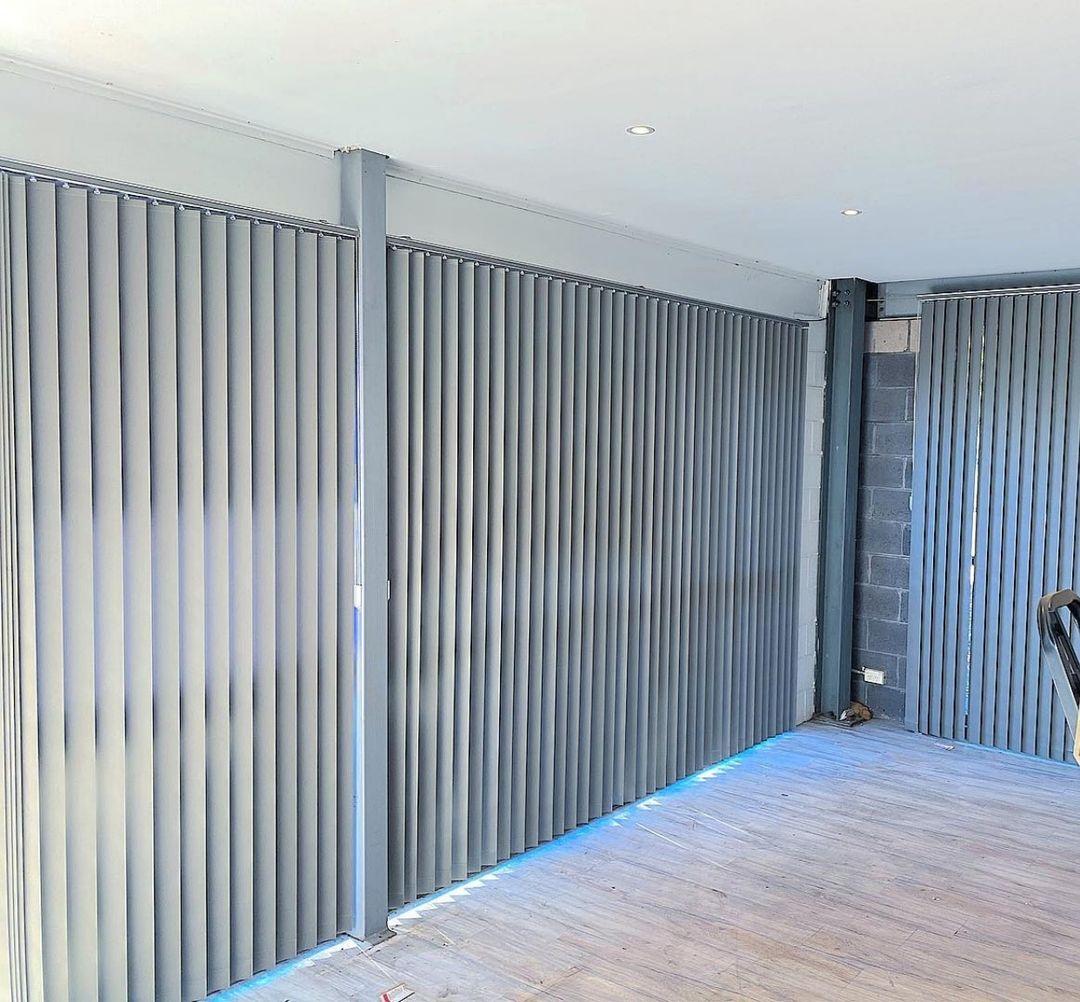
Most Durable Blind Materials for Australian Homes
Aluminium, PVC, timber, or fabric? Compare the most durable blind materials, which suit wet rooms and harsh sun, and how to make your blinds last longer.


Key Takeaways
- Aluminium and PVC are the hardest-wearing blind materials for bathrooms, laundries and kitchens, because neither absorbs moisture or warps.
- Timber gives the warmest look and lasts for decades as a shutter, but timber blinds are best kept to dry living areas and bedrooms.
- How long a blind lasts depends as much on fabric UV resistance, hardware quality and where it was made as on the material it is made from.
Blinds in Australian homes have a harder life than most. Choosing the right material for each window is the simplest way to avoid replacing blinds every few years. This guide compares the materials we install most often, explains where each one performs best, and finishes with a room-by-room guide to help you choose.
What makes a blind material durable?
A durable blind needs to cope with four things. It has to resist UV, because sunlight fades fabric and makes cheap plastics brittle. It has to handle moisture without warping, swelling or growing mould. It has to stand up to daily handling, especially in kitchens and kids' rooms. Finally, the mechanism has to keep working, because the most common reason a blind is replaced is a failed chain, cord or spring rather than worn-out fabric or slats.
Aluminium
Aluminium is one of the toughest materials you can choose for a blind. The slats will not rust, warp or absorb moisture, and a quick wipe with a damp cloth keeps them clean. That makes aluminium venetian blinds a practical choice for kitchens, bathrooms and busy family rooms. The trade-off is that thin slats can dent if they are knocked hard, so heavier gauge slats are worth paying a little more for in high-traffic spots.
Aluminium is also used in shutters, and our aluminium shutters suit wet areas and outdoor rooms where timber would struggle.
PVC
PVC, which is sometimes sold as faux timber, gives you the look of painted timber with none of the moisture problems. It does not swell, crack or warp in steam, and it cleans up with water and a mild detergent, which is why it is the most popular choice for bathrooms and laundries. Good-quality PVC includes UV stabilisers so that white and light colours do not yellow in strong sun.
PVC is available in venetian blinds and in PVC shutters, which are a hard-wearing alternative to timber shutters for wet areas.
Timber
Real timber has a warmth that no other material quite matches, and well-made timber shutters can last for decades. Timber venetians and Basswood shutters are lightweight and stable, which makes them ideal for living areas and bedrooms. The one thing timber does not like is constant moisture, so we generally steer clients away from timber blinds in bathrooms and laundries.
For the longest-lasting timber option, Thermoshade shutters are made in Australia from sustainably sourced hardwood and come with a 25-year warranty.
Polyester and blockout fabrics
Most fabric blinds, including roller, roman, Lumen and panel glide blinds, use woven polyester or coated blockout fabric. Polyester holds its shape well, resists stretching and is far less prone to mildew than natural fibres. The most important thing to check is the fabric's UV resistance, because a cheap fabric in a west-facing window can fade noticeably within a couple of summers. Blockout fabrics with an acrylic or similar backing also add a layer of insulation.
Materials that wear faster
Some materials look beautiful in a showroom but are less suited to Australian conditions. Natural weaves such as bamboo, jute and linen fade and dry out in strong sun, and they absorb moisture in humid rooms. Cheap vinyl slats can become brittle and discoloured after a few years of direct sun. None of these are bad choices in the right room, but if durability is your priority, the materials above will last longer.
The best blind material for each room
How to make your blinds last longer
Dust slats and fabric every couple of weeks with a microfibre cloth or a soft brush attachment, because built-up dust holds moisture and grime. Wipe PVC and aluminium with a damp cloth and a little detergent, but avoid soaking fabric blinds, which should be spot cleaned instead. Raise and lower blinds gently and evenly, and get a worn chain or cord repaired early, because a small fix is far cheaper than a new blind.
Why choose Vision Blinds & Shutters
Our blinds and shutters are Australian made and built for local conditions, and our venetian blinds come with a 5-year warranty. We have been fitting window furnishings in Sydney homes since 2006, so we can tell you which material will last in each room rather than just which one looks best in a catalogue. Browse our blinds range, or call us on 1300 658 465 to book a free measure and quote with samples brought to your home.
Frequently Asked Questions
What is the most durable material for blinds?
Aluminium and PVC are the most durable materials for most homes, because they resist moisture, do not warp and are easy to clean. For a timber look that lasts, hardwood shutters are the longest-lasting option.
What are the best blinds for a bathroom?
PVC venetian blinds and PVC shutters are the best choices for bathrooms, because they do not absorb moisture. Aluminium venetians also work well, while timber and natural fibres are best avoided.
Do timber blinds warp?
Good-quality timber blinds are stable in dry rooms, but they can warp or swell if they are exposed to steam or moisture every day. That is why we recommend PVC or aluminium for wet areas.
How long should blinds last?
Well-made blinds in the right room should last many years, and quality shutters can last for decades. The warranty is a good guide to how long the manufacturer expects a product to perform.
Which blinds are best for a west-facing window?
Shutters and blockout roller blinds with a UV-resistant fabric are the best choices for west-facing windows. They handle the strongest afternoon sun without fading and help keep the room cooler.